How long do clothes actually last?
The average garment lasts about 3.3 years (WRAP) — but it ranges from ~2 years for sneakers to ~8 for a wool coat. Here's the full breakdown by garment and fabric, with sources.
- The average garment lasts about 3.3 years in active use (WRAP, Valuing Our Clothes).
- But the range is wide: a T-shirt ~3 years, a wool sweater ~6, a wool coat or leather jacket ~8, leather shoes ~5, sneakers ~2.
- Fabric matters more than price. Wool and leather outlast cotton; cotton outlasts cheap synthetics with elastane.
- Washing kills clothes faster than wearing them. Fewer, cooler, gentler washes add years.
These are the same numbers Kapsee uses inside the app to estimate cost-per-wear and tell you when a piece is worth replacing. They're built from three sources: the UK's WRAP "Valuing Our Clothes" study, the International Fabricare Institute (IFI) textile life-expectancy tables, and Dutch wardrobe-longevity research. Where sources disagree, we take a sensible median rather than the rosiest figure.
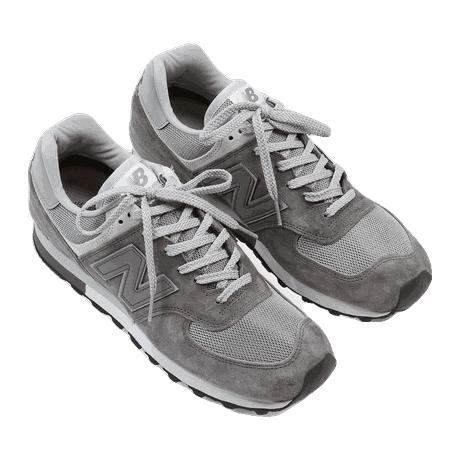 Sneakers2y
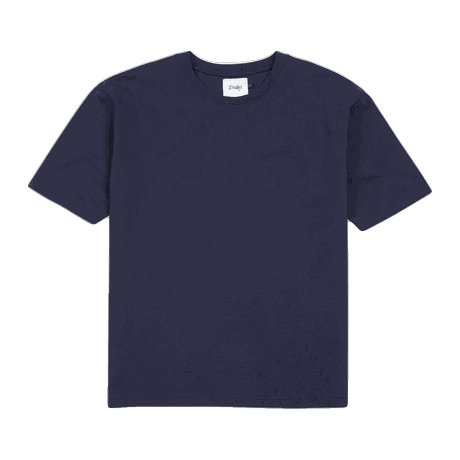 T-shirt3y
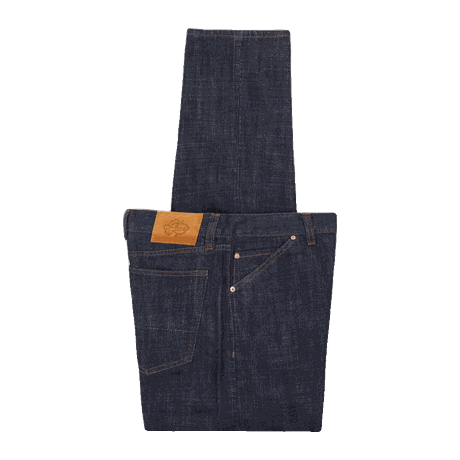 Joggers3y
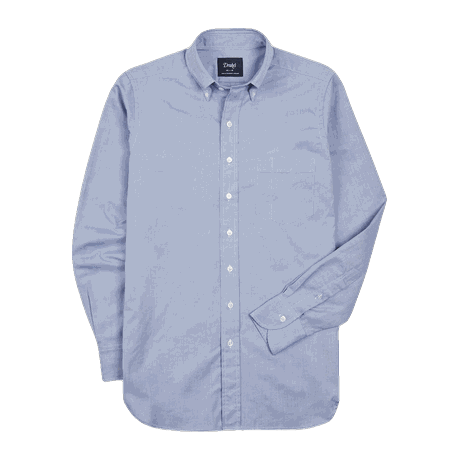 Shirt4yTrousers5y
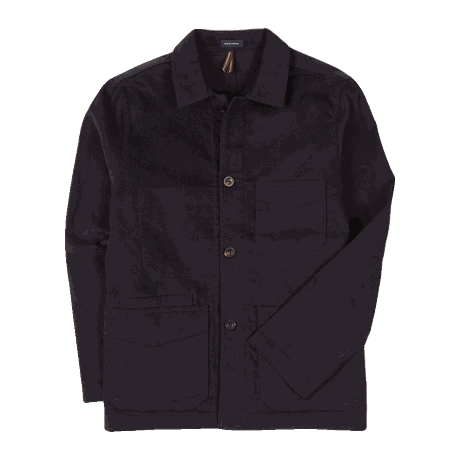 Jacket5y
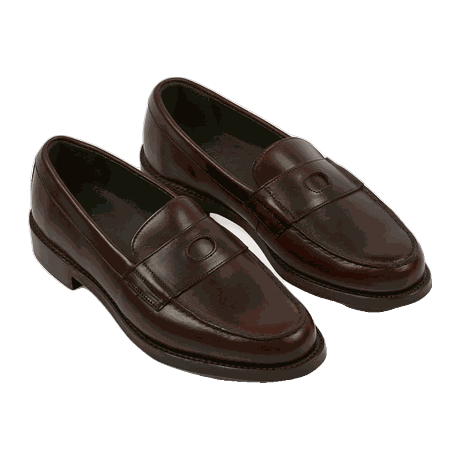 Leather shoes5y
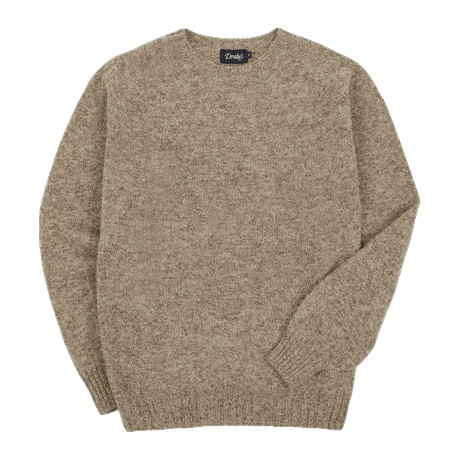 Sweater6y
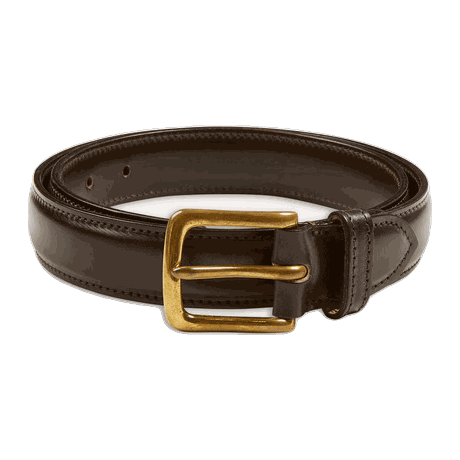 Belts, bags6yLeather jacket8y
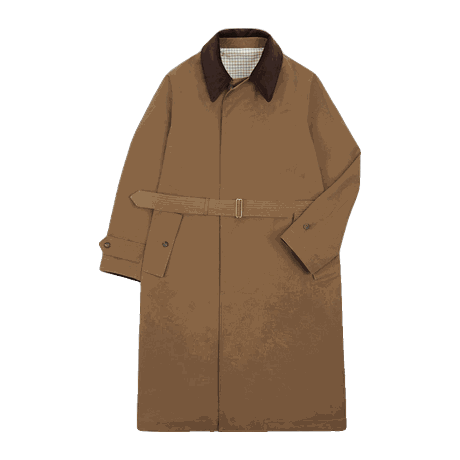 Wool coat8y
How long clothes last, by garment and fabric
| Garment | Typical fabric | Expected life | Why |
|---|---|---|---|
| T-shirt | Cotton / polyester | 3 years | High wash-and-wear layer; roughly the WRAP average (~44 washes before retirement). |
| Shirt / blouse | Cotton, linen | 4 years | Collar and cuff wear. Median of IFI dress-shirt (~2y) and Dutch blouse studies (~7y). |
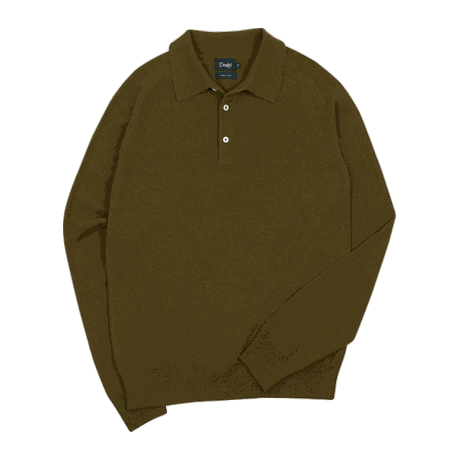 Polo / henley Polo / henley | Cotton | 4 years | Sits between a tee and a shirt; a piqué collar is sturdier than jersey. |
| Sweater / knitwear | Wool, merino | 6 years | Dutch sweaters ~7y; merino is durable but pills. Cashmere ~5y, cotton knit ~4y. |
| Trousers / jeans | Wool, cotton denim | 5 years | Knees and seat wear. Dutch trousers ~6y; denim is durable, dress slacks shorter (~3y). |
| Joggers / sweatpants | Cotton, polyester | 3 years | High wear, frequent wash; elastane/spandex degrades. |
| Jacket / light outerwear | Cotton, polyester | 5 years | A common everyday jacket. IFI coats ~3y vs Dutch jackets ~11y → ~5y in practice. |
| Leather jacket | Leather | 8 years | Leather is durable and worn seasonally, so it ages slowly. |
| Wool coat / overcoat | Wool | 8 years | Seasonal, heavy fabric. IFI wool coat ~4y vs Dutch ~11y → ~8y. |
| Leather shoes | Leather | 5 years | Consensus 3–5 years; 10+ years if resoleable and maintained. |
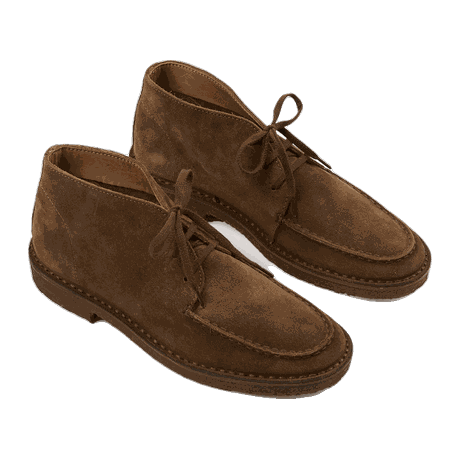 Suede shoes Suede shoes | Suede | 4 years | Softer surface, shorter life than smooth leather. |
| Sneakers | Canvas / foam | 2 years | Roughly 1–3 years or 300–500 miles; foam midsoles hydrolyse. |
| Belts, bags | Leather | 6 years | Leather goods last well with basic care. |
The one number to remember
~3.3 years is the average garment life (WRAP). Extending the active life of clothes by just nine months cuts their carbon, water and waste footprint by around 20–30% each. Wearing what you own longer is the highest-leverage thing you can do.
What makes clothes last longer (or die young)
1. Fibre beats price
Natural, longer-staple fibres and structured constructions win. Wool resists wrinkles and bounces back; leather ages instead of failing; tightly woven cotton (denim, twill) takes abuse. The quick killers are elastane/spandex blends — the stretch that feels great in year one goes slack and the garment is done.
2. Washing is the main enemy
Most garment wear happens in the machine, not on your body. Heat, agitation and tumble-drying break fibres and fade colour. Washing less often, colder, and line-drying is the single biggest lifespan extender — often bigger than spending more at purchase.
3. Rotation and fit
A piece worn every day dies fast; the same piece in a rotation of several lasts years. And a garment that fits gets worn and cared for — one that doesn't gets stretched, snagged, or abandoned.
Why this matters for a capsule wardrobe
A capsule is a bet on fewer, harder-worn clothes. That only pays off if the pieces survive the extra wear — so the durable categories (wool knits, a good coat, leather shoes) are exactly where it's worth spending. The disposable ones (tees, joggers) are where you keep it cheap and expect to replace them. If you're building a set from scratch, start with the step-by-step build, and use these lifespans to decide where your money goes.
Sources
- WRAP — Valuing Our Clothes: the cost of UK fashion (2017). Average garment life ≈ 3.3 years; extending active life by 9 months cuts carbon/water/waste ~20–30%. wrap.org.uk
- International Fabricare Institute (IFI) / Drycleaning & Laundry Institute — textile life-expectancy guidance (Fair Claims Guide for Consumer Textile Products). Category life expectancies used by the cleaning industry. dlionline.org
- Dutch wardrobe-longevity studies — surveys of real garment ownership duration by category (e.g. sweaters ~7y, trousers ~6y, jackets ~11y), used here to balance the shorter IFI cleaning-industry figures.
Figures are typical-use estimates, not guarantees. Your mileage varies with fabric quality, wash habits and how often you wear each piece.
Kapsee estimates lifespan and cost-per-wear from a photo, then tells you in one word whether to buy it.
Get early access →FAQ
How long does the average piece of clothing last?
About 3.3 years of active use, according to WRAP's 'Valuing Our Clothes' study. It varies widely by type and fabric: a T-shirt lasts around 3 years, a wool sweater around 6, a wool coat or leather jacket around 8, and leather shoes around 5.
Which fabric lasts the longest?
Wool and leather are the most durable in everyday clothing — a wool coat or leather jacket can last around 8 years and leather shoes 5+ years (10+ if resoleable). Tightly woven cotton like denim is next. Synthetic blends with elastane or spandex tend to fail soonest as the stretch goes slack.
How long should a good pair of shoes last?
Leather shoes typically last around 3–5 years, and much longer — 10 years or more — if they can be resoled and are cared for. Sneakers with foam midsoles last roughly 1–3 years or 300–500 miles, because the foam breaks down whether you wear them or not.
Does washing clothes less make them last longer?
Yes, significantly. Most garment wear happens in the wash, not on your body. Washing less often, at cooler temperatures, and air-drying instead of tumble-drying reduces fibre breakage and fading — often extending lifespan more than paying more for the garment did.
How can I make my clothes last longer?
Wash less and cooler, air-dry, rotate pieces instead of wearing one to death, repair small damage early, and buy durable fibres (wool, leather, tight-woven cotton) for the pieces you wear most. Extending a garment's active life by even nine months meaningfully cuts its environmental footprint.